Tuesday, June 11, 2013

The truth about masturbation - revealed!


Masturbation, especially for women, is a bit of a taboo subject. Which is why we were ecstatic to receive some pretty encouraging facts and figures about the country's self-loving habits...
Yup, thanks to the clever folks at Bondara, we now have a pretty good idea of what turns us on when we're flying solo - not to mention how long it takes the average person to (ahem) finish up.
62% of women surveyed revealed that they liked to masturbate at least three times a week - which, if you do some quick maths, works out at 156 times a year. But their self-loving sessions aren't the long drawn out affairs you might imagine; in fact, 1 in 7 of us get the job done in less than 5 minutes.
That's like an orgasm SPRINT, isn't it?
So who do women like to picture when we're getting down to business with me, myself and I? Let's take a look...
Partner - 65%
Friend - 14%
Boss - 3%
Colleague - 2%
Celebrity - 6%
Mysterious 'Other' - 10%
Pretty intriguing, huh? We genuinely predicted that celebrity would rank far higher on the stats list than it did!
When it comes to deciding WHERE we're going to masturbate, the majority of us stick to what we know, with 99% of those polled admitting they like to stay in the bedroom.
But, when asked where ELSE they like to get down and dirty, the answers women gave were pretty varied...
Bedroom - 99%
Bathroom - 80%
Living Room - 75%
Outdoors - 31%
Car - 25%
Work - 22%
Kitchen - 21%
Yup, work. Work! Now THAT would take some doing, wouldn't it?
37% of women polled also admitted they like to masturbate while looking at themselves in the mirror (the true meaning of self-love!) and, when asked how often they used a sex toy when masturbating, 32 percent of women said they used a sex toy most of the time (75% of the time) 28 percent used one half of the time (50%) and a further 19 percent used one all of the time (100%).
Chris Simms, Managing Director at Bondara.co.uk said: “It is becoming widely acknowledged that sex toys significant increase women’s ability to reach orgasm so it is not surprising that many women now consider them to be the perfect masturbation companion.”
And the most encouraging stats of all?
Masturbation has in the past been regarded as a perversion, but this survey revealed that attitudes towards the practise have changed, with the majority of men and women viewing it as a normal part of a healthy sex life.
Only 1 percent of women and 2 percent of men agreed that ‘masturbation is not appropriate when you are in a relationship’ with the majority, 74 percent of women and 65 percent of men strongly disagreeing with the statement.
When asked whether or not their partner masturbated, 65 percent of women said definitely and a further 13 percent answered probably. Only 8 percent were unsure or said no. Similarly, 58 percent of men thought their partner definitely masturbated, 15 percent thought they probably did and only 16 percent were unsure or said no.
As far as having open discussions with their partner on the subject was concerned, 90 percent of women and 88 percent of men agreed with the statement ‘I am comfortable discussing masturbation with my partner.’
Follow Kayleigh Dray on Twitter at @KayDee28


10 Crazy Things Your Appearance Says About You

Saturday, June 1, 2013

Sex-Drive Killers

Sex-Drive Killer: Stress

Some people do many things well when they're stressed. Feeling sexy usually isn't one of them. Stress at work, home, or in your relationships can happen to anyone. Learning how to handle it really helps. You can do a lot of it yourself, and a counselor or doctor can also help.
Stressed man sitting in conference room

Sex-Drive Killer: Partner Problems
Problems with your partner are among the top sex-drive killers. For women, feeling close is a major part of desire. For both sexes, watch for fallout from fights, poor communication, feeling betrayed, or other trust issues. If it's tricky to get back on track, reach out to a couples counselor.
Arguing couple on sofa


Sex-Drive Killer: Alcohol

A drink may make you feel more open to sex. But too much alcohol can numb your sex drive. Your being drunk can also be a turn-off for your partner. If you have trouble drinking less, seek help.
Drunken man passed out on sofa

Sex-Drive Killer: Too Little Sleep

If your sexual get-up-and-go is gone, maybe you're not spending enough time in bed. Do you go to bed too late or rise too early? Do you have a sleep problem like trouble falling or staying asleep, or a condition such as sleep apnea? Anything that messes with a good night's rest can mess with sex. Fatigue saps sexy feelings. Work on your sleep habits, and if that doesn't help, talk to your doctor.
Silhouette of houses at night with single light on

Sex-Drive Killer: Having Kids

You don't lose your sex drive once you're a mom or dad. You do lose some time to be close, though, with kids under foot. Hire a babysitter to nurture some time to be partners as well as parents. New baby? Try sex during nap time.
Couple in bed with newborn between them

Sex-Drive Killer: Medication

Some drugs turn down desire. They include some of these types of medications:
  • Antidepressants
  • Blood pressure medications
  • Birth control pills (some studies show a link; others don't)
  • Chemotherapy
  • Anti-HIV drugs
Man taking medication while in bed

Sex Drive Killer: Poor Body Image

Feeling sexy is easier if you like how you look. Work on accepting your body as it is today, even if you're working to get in shape. Feeling good about yourself can put you in the mood. If your partner has low esteem, assure them that they're sexy.
Woman looking at her rear end in mirror

Sex-Drive Killer: Obesity

When you're overweight or obese, desire often dims. It could be that you don't enjoy sex, can't perform like you want to, or are held back by low self-esteem.  Working on how you feel about yourself, with a counselor if needed, may make a big difference.
Woman checking her weight on upright scale

Sex-Drive Killer: Erection Problems

Men with ED (erectile dysfunction) often worry about how they will be able to perform sexually, and that worry can drain their desire. ED can be treated, and couples can also work to keep it from affecting their relationship.
Unhappy man being consoled by woman

Sex-Drive Killer: Low T

The "T" hormone, testosterone, fuels sex drive. As men age, their T levels may drop a bit. Not all lose the desire for sex as this happens, but some do. Many other things -- from relationships to weight -- also affect a man's sex drive and testosterone levels, so there's not a one-size-fits-all answer for every man.
Senior man and young man on beach with surfboard

Sex-Drive Killer: Depression

Being depressed can shut off pleasure in many things, including sex. That's one of many reasons to get help. If your treatment involves medication, tell your doctor if your sex drive is low, since some (but not all) depression drugs lower sex drive. Talk about it with your therapist, too.
Depressed woman being consoled by man

Sex-Drive Killer: Menopause
For many women, sex drive dims around menopause. That's partly about symptoms such as vaginal dryness and pain during sex. But every woman is different, and it's possible to have a great sex life after menopause by tending to your relationship, self esteem, and overall health.
Mature woman watching the sunset from a rowboat

Sex-Drive Killer: Lack of Closeness

Sex without feeling close can slay desire. Intimacy is more than just sex. If your sex life is idling, try spending more non-sexual time together, just the two of you. Talk, snuggle, trade massages. Find ways to express love without having sex. Getting closer can rebuild your sex drive.
Noncommunicative couple watching tv


Reviewed by Melinda Ratini, DO, MS on April 17, 2012
This tool does not provide medical advice. See additional information:Disclaimer
© 2012 WebMD, LLC. All rights reserved.

How Low Testosterone Affects Health, Mood, and Sex

Low Testosterone and Sex Drive


Testosterone isn't the only fuel for a man's sex drive and performance. But low testosterone can reduce your ability to have satisfying sex. Lack of sex drive and erectile dysfunction are sexual problems that can result from low testosterone. If low testosterone is the cause, treating it can help.

Testosterone and the Causes of Low Libido

Researchers haven't unraveled the mystery of just how testosterone increases libido. It's normal for a man's sex drive to slowly decline from its peak in his teens and 20s, but libido varies widely between men. What one man might consider a low sex drive, another might not. Also, sex drive changes within each man over time and is affected by stress, sleep, and opportunities for sex. For these reasons, defining what's a "normal" sex drive is next to impossible. Usually, the man himself identifies a lack of sex drive as a problem. Other times, his partner may consider it to be an issue.  
Low testosterone symptoms don't always include feeling like you have no sex drive. Some men maintain sexual desire at relatively low testosterone levels. For other men, libido may lag even with normal testosterone levels. Low testosterone is one of the possible causes of low libido, however. If testosterone is lowered far enough, virtually all men will experience some decline in sex drive.
In a large study of men in Massachusetts, about 11% overall said they had a lack of sex drive. The researchers then tested all the men's testosterone levels. About 28% of men with low testosterone had low libido. These men were relatively young, with an average age of 47; older men might have worse sexual symptoms.
Low testosterone is only one of the causes of low libido. Stress, sleep deprivation, depression, and chronic medical illnesses can also sap a man's sex drive.

Low Testosterone and Erectile Dysfunction

Surprisingly, low testosterone by itself rarely causes erectile dysfunction, or ED. Low testosterone alone -- with no other health problems -- accounts for a small minority of men with erectile dysfunction. 
Erection problems are usually caused by atherosclerosis -- hardening of the arteries. If damaged, the tiny blood vessels supplying the penis can no longer dilate to bring in the strong flow needed for a firm erection. Diabetes, high blood pressure, and high cholesterol are the three main causes of atherosclerosis and erectile dysfunction.
At the same time, low testosterone is a frequent accomplice to atherosclerosis in creating erectile dysfunction. In studies, as many as one in three men mentioning ED to their doctor have low testosterone. Experts believe that in men with other factors causing erectile dysfunction, low testosterone can strongly contribute, making a difficult situation even worse.
Strengthening the connection, low testosterone is linked in some way with many of the conditions that lead to erectile dysfunction:
  • Metabolic syndrome
  • Obesity
  • Endothelial dysfunction
  • Diabetes
Although low testosterone isn't known to cause them, the associations between other medical conditions and low testosterone can be significant.
Testosterone therapy improves sex drive and satisfaction with sex in many men. However, the long-term risks and benefits of testosterone replacement are unknown. Research trials on testosterone replacement in men are ongoing, although results are years away.
WebMD Medical Reference
Reviewed by Brunilda Nazario, MD on June 12, 2012

Natural Home Remedies for Heartburn

Overview

One in 10 Americans experiences heartburn symptoms at least once a week. Heartburn has different triggers, including certain foods, medications, obesity, or even stress. Knowing your triggers will help you design a prevention strategy. If you suffer from heartburn it’s important to find effective heartburn remedies to prevent the acid reflux from worsening. Heartburn treatment may include medications, home remedies, or diet changes.

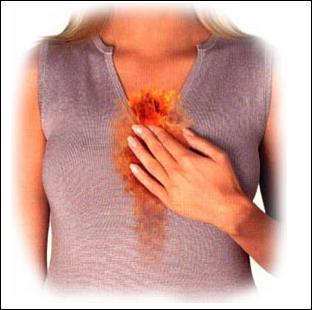
Heartburn is very common -- and very unpleasant. It's triggered when stomach acid backs up into the esophagus. It can make you feel as though someone has lit a small bonfire in your chest, and it's burning its way up to your neck.
You're probably well aware that medications can help calm the burn, but natural heartburn remedies and lifestyle changes may be another way to get relief.

Recommended Related to Heartburn/GERD

Heartburn prevention is often possible.  The keys are maintaining a reasonable weight, avoiding any foods and beverages that worsen your symptoms, wearing clothes that are loose around the waist, eating smaller meals, not overeating, and not smoking. Getting enough sleep and minimizing stress may also help. Elevation of the head of your bed six to eight inches may help reduce reflux.  Also, it is best to wait three hours after eating before you lie down.  
One commonly used "natural" heartburn remedy is calcium. It's also the active ingredient in many over-the-counter antacids.
If you find yourself popping antacids like candy and you're having heartburn more than a couple of times a week, or if you are using antacids for longer than two weeks, it's time to see the doctor. You may have a condition called GERD -- gastroesophageal reflux disease. Frequent heartburn can lead to long-term problems. It can cause inflammation and strictures in your esophagus.  In rare cases, it may even lead tocancer. But stopping the acid reflux can help prevent complications in the future.
Here is a rundown of some other commonly used home remedies for heartburn, and the evidence for their effectiveness.

Do Herbal Heartburn Remedies Work?

There isn't much research into herbal remedies for heartburn. Most of the research has centered on a product called Iberogast. It is made with 9 different herbs, including:
  • Angelica
  • Caraway
  • Clown's mustard plant
  • German chamomile
  • Greater celandine
  • Lemon balm
  • Licorice
  • Milk thistle
  • Peppermint
Some studies have shown that Iberogast may reduce heartburn, stomach pain, cramping, and nausea. It's not clear, however, which herb in the mix relieves symptoms. Plus, peppermint oil can actually worsen heartburn, so it's not a good idea to take it if you have GERD.

Are There Any Other Natural Treatments for Heartburn?

Melatonin, a supplement used to aid sleep, has been suggested to help relieve heartburn. But the research is conflicting as to whether it is effective for this or any other any gastrointestinal symptoms.
Before you decide to take any herbal remedy or supplement, check with your doctor. Some supplements can have side effects or can interact with medications you're already taking.

Can Drinking Milk Help My Heartburn?

You may have heard that drinking a glass of milk can relieve heartburn. While it's true that milk can temporarily buffer stomach acid, nutrients in milk, particularly fat, will stimulate the stomach to produce more acid.
 Even though milk might not be a great heartburn remedy, however, it's a rich source of bone-building calcium. Try fat-free skim milk and don't overdo it. Drink no more than 8 ounces of skim milk at a time -- as a snack in between meals. Overfilling the stomach may increase heartburn.

Is Chewing Gum an Effective Way to Get Heartburn Relief?

It may sound strange, but gum stimulates the production of saliva, which is an acid buffer. Plus, chewing gum makes you swallow more often, which pushes those nasty acids back out of your esophagus. When you pick a pack of gum, just make sure it's sugar-free so you also protect your teeth.

Finding Heartburn Relief at Home

A few simple strategies can help soothe the burn of heartburn:
  • Watch what you eat. Avoid specific foods that trigger your heartburn, but also watch out for peppermint, caffeine, sodas, chocolate, citrus fruits and juices, tomatoes, onions, and high-fat foods. Eat more fiber to keep your digestive tract moving and healthy. Also, reduce your portion sizes. Try eating five or six small meals a day, rather than three big ones. Eating too much at once is a big heartburn trigger.
  • Watch when you eat. Push away the plate at least two or three hours before bedtime so your stomach has a chance to empty before you lie down.
  • Watch how you eat. Eat slowly, taking smaller bites.
  • Lose weight. Excess abdominal fat can press against the stomach, forcing acids up into the esophagus. Follow a diet and exercise program to shed extra pounds.
  • Keep a diary. Write down what you've eaten and when your heartburn symptoms occur so you can pinpoint which foods are your triggers and avoid them.
  • Toss the cigarettes. Smoking can reduce the effectiveness of the muscle that keeps acids in the stomach. For this, and so many other health reasons, it's always the perfect time to quit.
  • Loosen your belt. Ditch the skin-tight jeans. Tight clothes put added pressure on the abdomen.
  • Tilt up. Put wood blocks under your bed to raise the head about 6 inches. Don't bother raising your pillows, though -- it's not effective for heartburn.


Heart Disease

Heart Disease Health Center


Overview

Heart disease includes conditions affecting the heart, such as coronary heart disease, heart attack, congestive heart failure, and congenital heart disease. Heart disease is the leading cause of death for men and women in the U.S. Keys to prevention include quitting smoking, lowering cholesterol, controlling high blood pressure, maintaining a healthy weight, and exercising.

http://www.google.com.ph/imgres?imgurl=https://blogger.googleusercontent.com/img/b/R29vZ2xl/AVvXsEiLCbTl3IpHf6OzEL8pBBXbWCGrKqRwknGXpxvEVL5UKi93pr1xZ5QXxHZvDuKEFnLaQCW_uRu0uQ8o-dsZ2kuUivx8p7aAMpOSwDVWIMQID6HcxPctI4bezjIfjjX31jk7ljFvMMJFk5Q/s1600/HeartExterior01_jpg770a3d1b-3197-45b3-8244-b94112b39522Large.jpg&imgrefurl=http://jessicaschoolblog.blogspot.com/2010/09/anatomy-of-human-heart.html&usg=__9wuAwpGa3r7AS3gsRffCVQVCXkE=&h=400&w=400&sz=23&hl=en&start=17&sig2=Tqw507m_X-clypgP2t0kIg&zoom=1&tbnid=uH1TcSHNkJZbVM:&tbnh=124&tbnw=124&ei=6-upUdrZMam3iQfH84CYAQ&itbs=1&sa=X&ved=0CEsQrQMwEA

Symptoms & Types

There are many types of heart disease. Here's where to get quick facts on each one -- including warning signs and symptoms.

Symptoms

Here's a fast, easy-to-understand guide to the symptoms of each type of heart disease.

Warning Signs

If you or a loved one has heart disease, when must you call the doctor? When should you head for the emergency room? Click here for clear, fast information.
Doctors call it angina pectoris. You call it chest pain. It may feel like indigestion -- or like an elephant just stepped on your chest. Here's what it means.

Types

Coronary artery disease is America's No.1 killer, affecting more than 13 million Americans.
An enlarged heart (cardiomegaly) can have various causes. But it's usually caused by high blood pressure (hypertension) or coronary artery disease.
You know there's nothing funny about a heart attack. There's a lot more to learn. Here's what you need to know: no more, no less.
Irregular heart rhythm -- arrhythmia -- is when your heart doesn't keep up a good beat. Learn what it means here.
It's the most common kind of irregular heart beat. Here's where to find out what it is, and what to do about it.
Irregular heart rhythms can cause the pumping function of the heart to fail. See how.
You may not know what a heart valve is -- until it stops working right. It's a common form of heart disease. Here's an illustrated guide.
This is the cause of half of all heart disease deaths. Find out why here.
Not everyone gets heart disease. Some are born with it. Here are the facts on congenital heart disease.
Learn the causes, symptoms, and treatment of an enlarged heart.
Heart muscle disease -- what doctors call cardiomyopathy -- is as serious as it sounds. Here's a brief overview.
Symptoms of DC --dilated cardiomyopathy -- can appear at any age. Learn to recognize them here.
HCM -- hypertrophic cardiomyopathy -- is a thickening of the walls of the heart. Here's a brief overview.
Restrictive cardiomyopathy is the rarest form of heart-muscle disease. Here's an overview.
Did you know that your heart is held by a little sac? That sac -- the pericardium -- can get infected. It's called pericarditis or pericardial disease. Here's more.
Fluid around the heart can be caused by various types of infection/inflammation or cancer, kidney disease or heart surgery. This fluid can impair heart function. Read more in this technical article written for doctors.
This inherited genetic defect weakens connective tissues -- including those in the heart. Click here to learn more.
Most heart murmurs are innocent: They are caused by blood flowing through healthy valves in a healthy heart and do not require treatment. However, heart murmurs can be caused by blood flowing through a damaged or overworked heart valve.

Diagnosis & Tests

Exactly when do you go from having risk factors to having heart disease? These links take you to information on the tests a doctor uses to diagnose heart disease.

Diagnosis

The first step is getting a doctor's exam. Here's a description of what the doctor will do.

Tests

Whether you spell it EKG or ECG, it's an electrocardiogram. Learn the basics here.
Why get a chest X-ray? What happens? Click here for quick answers.
Does your heart respond well to exertion? That's what a stress test looks for. Here's a straightforward description, including how to prepare for a stress test.
The head-up tilt table test is used to help find the cause of fainting spells. Here's what you need to know.
There are several variations on the echocardiogram, or "echo," as doctors call it. Learn about these ultrasound-like tests of the heart -- and find out what to expect -- here.
Cardiac catheterization -- also called a coronary angiogram -- means running a catheter into your heart. It's done to help doctors see what's going on in there, and whether they need to operate. Here's where to learn about it.
Electrophysiology -- the EP test -- takes measurements of your heart rhythm -- recording the electrical activity and pathways of your heart. Start preparing for it by clicking here.
Computed tomography (CT scan) of the heart can visualize your heart’s anatomy. Calcium-score heart scan and coronary CT angiography are just a few types used to diagnose heart disease.
A myocardial biopsy is when a doctor uses a special catheter to remove a piece of your heart tissue for examination. Click here to learn why it's done.
A heart MRI is a great way for doctors to get a look -- from the outside -- at how your heart is working. Read about it here.
Pericardiocentesis -- also called a pericardial tap -- means using a needle to get a sample of the fluid in the sac surrounding the heart. Here's what you need to know.

Treatment & Care

Treatments for heart disease range from low-tech to high-tech. Read about them here. You'll also find advice for caregivers -- including tips for caregiver care.

Treatment

Cardiopulmonary Resuscitation -- CPR -- is one link in what the American Heart Association calls the "chain of survival." Learn CPR for a loved one.
Medical care is essential once heart disease is diagnosed, with the goals of stabilizing the condition immediately, controlling symptoms over the long term, and providing a cure when possible.

Surgeries

Get information about heart stents, why they’re used, and what types are available.
Angioplasty is a non-surgical procedure that can be used to open blocked heart arteries. Stent placement is another option that can be done during angioplasty.
Heart bypass surgery can be used to treat heart disease when your coronary arteries are blocked. Your doctor may treat the problem by giving the blood a new pathway to the heart.
When treatment for heart valve disease includes surgery, it can be performed by traditional surgery or minimally invasive balloon valvuloplasty.
For many people with heart disease, drugs alone will not convert an arrhythmia to a normal heart rhythm. For these people, a procedure called cardioversion or electrical cardioversion may be necessary.
EECP can help stimulate blood vessels to develop small branches, creating a natural bypass around narrowed or blocked arteries that cause the chest pain.
Ablation is used to treat abnormal heart rhythms, or arrhythmias. The type of arrhythmia and the presence of other heart disease will determine whether ablation can be performed surgically or non-surgically.
A pacemaker is a small device that sends electrical impulses to the heart muscle to maintain a suitable heart rate and rhythm. A pacemaker may also be used to treat fainting spells (syncope), congestive heart failure, and hypertrophic cardiomyopathy.
Treatment for abnormal heart rhythms is possible with an ICD, or implantable cardioverter defibrillator.
A lead extraction is the removal of one or more leads from inside the heart. Leads that are placed outside the heart during open heart surgery cannot be removed during this type of procedure.
The left ventricular assist device, LVAD or VAD, is a kind of mechanical heart. It's placed inside a person's chest, where it helps the heart pump oxygen-rich blood throughout the body.
A heart transplant is the replacement of a person's diseased heart with a healthy donor's heart. The donor is a person who has died and whose family has agreed to donate their loved one's organs.

Medications

Angiotensin converting enzyme (ACE) inhibitors are heart medications that widen or dilate your blood vessels to improve the amount of blood your heart pumps and lower blood pressure.
These heart drugs decrease certain chemicals that narrow the blood vessels, allowing blood to flow more easily through your body. They also decrease certain chemicals that cause salt and fluid build-up in the body.
Antiarrhythmia drugs are used to treat abnormal heart rhythms resulting from irregular electrical activity of the heart.
Antiplatelet drugs are used to treat heart disease. They are a group of powerful medications that prevent the formation of blood clots.
For more than 100 years, aspirin has been used as a pain reliever. Since the 1970s, aspirin has also been used to prevent and manage heart disease and stroke.
Beta-blockers are one of the most widely prescribed class of drugs to treat hypertension (high blood pressure) and are a mainstay treatment of congestive heart failure.
Calcium channel blockers are heart disease drugs that relax blood vessels and increase the supply of blood and oxygen to the heart while also reducing the heart's workload.
Clot buster drugs, or thrombolytic therapy, are a type of heart medication given in the hospital through the veins (intravenous) to break up blood clots.
If you have heart disease, Digoxin is a medication that helps an injured or weakened heart work more efficiently to send blood through the body.
iuretics, commonly known as "water pills," help your body get rid of unneeded water and salt through the urine. Getting rid of excess fluid makes it easier for your heart to pump and controls blood pressure.
Nitrates are vasodilators that are used to treat angina in people with coronary artery disease or chest pain caused by blocked blood vessels of the heart.
Warfarin, which goes by the brand name Coumadin, is an anticoagulant medication. This means that it helps prevent clots from forming in the blood. Blood thinners are used to treat some types of heart disease.

Care

Is a plant-based diet good for your heart? More research needs to be done, but early studies suggest it may have a number of benefits.
After you or someone you love returns home after heart surgery, these are some of the things you should know.
Caregivers should be mindful of the psychosocial, cultural, and spiritual aspects of health and illness, as well as the effects of these factors on themselves and their loved ones.

Living & Managing

Living with heart disease isn't simple. But it's something millions of people manage to do. Here are tips for taking control of your life.

Living and Coping

There's no cure for heart disease. But that doesn't mean there's nothing you can do. A click here will get you started.
It's very likely your doctor will encourage you to get involved in a cardiac rehab program. Click here to see what it's all about.
Got heart disease? Nothing is more important than eating heart-friendly foods. Click here to see what heart-healthy cooking is all about.
What exercises are best for those diagnosed with heart disease? Read more.
Here are steps you can take after a heart attack to ensure a full recovery.